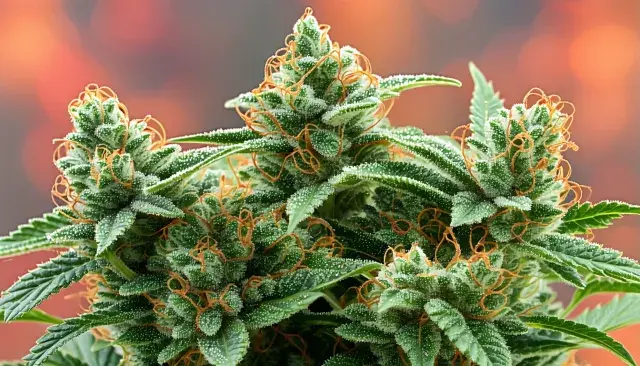

Six cannabis cultivation operators in California's Carpinteria Valley are appealing license revocation notices issued by Santa Barbara County, after failing to meet a March 18th compliance deadline tied to odor-control requirements. Two of the nine operators served with revocation notices have since come into compliance; a third was found to be operating without a valid license. The six non-compliant operators can continue running for up to 60 additional days while their appeals work through the county's review process.
What the County Required - and Why It Mattered
Santa Barbara County gave cultivators months to install specific carbon air scrubbers - the kind of mechanical odor-mitigation equipment that regulators in agricultural and commercial cannabis zones increasingly require as a licensing condition. This wasn't a vague policy directive. The county set a hard date and a defined technical standard: carbon filtration systems capable of measurably reducing odor emissions from outdoor and greenhouse grow operations.
Here's the operational reality that makes this hard for some growers. Capital equipment compliance - adding industrial-grade air scrubbing systems to existing cultivation infrastructure - isn't cheap or fast. Permitting for facility modifications, equipment lead times, contractor availability, and the sheer physical complexity of retrofitting odor controls onto an established grow can stretch well beyond what a county-issued deadline accommodates. That doesn't make non-compliance acceptable under the law. It does explain why six out of nine operators came up short.
The geography adds a layer of nuance worth understanding. All of the cannabis farms in question sit within the county's unincorporated area. The City of Carpinteria itself - where residents have consistently raised odor complaints - contains no licensed growers. That jurisdictional divide matters for enforcement: the county holds licensing authority over the cultivators, but the city's residents bear the quality-of-life impact. That kind of split jurisdiction is common in California cannabis regulation, and it consistently creates friction between where the problem originates and who has the tools to address it.
License Appeals and the 60-Day Operating Window
The appeals process gives non-compliant operators a temporary reprieve - up to 60 days of continued operation - but it's not a reset. It's a clock. The appeals don't suspend the underlying compliance requirement; they create a procedural window during which operators must either demonstrate progress, negotiate a modified compliance path, or face the revocation standing.
For cannabis businesses, losing a cultivation license is not a recoverable event in the short term. Licensed cannabis operations in California are built around the state's track-and-trace infrastructure, which ties every plant batch, harvest, and wholesale transfer to a valid license. A revoked license doesn't just close the grow - it disrupts any downstream supply relationships, voids active wholesale agreements, and creates inventory disposition problems that can be difficult to resolve within the bounds of state compliance rules. To put it plainly: for a small cultivator, revocation can be a terminal event.
That's why the appeals process has real business stakes, not just regulatory ones. Operators appealing these decisions are almost certainly presenting evidence of partial compliance, financial hardship in meeting the equipment requirements, or procedural arguments about the timeline they were given. Whether those arguments succeed depends on how Santa Barbara County's appeals structure weighs technical compliance against operator circumstances - a judgment call that varies county by county across California.
The Broader Compliance Signal for Cannabis Cultivators
What's striking here isn't that a county moved to revoke licenses for odor violations. That's been a known enforcement pressure in California cannabis for years, particularly in regions where cultivation sits near residential areas. What's notable is the breakdown: two out of nine complied on time, one didn't have a valid license at all, and six couldn't or didn't meet the standard. That's a 67 percent non-compliance rate among licensed, notified operators - which suggests the requirement was either technically or financially out of reach for most operators in this cluster, or that the deadline wasn't taken seriously until it passed.
For operators elsewhere in California and in other states with active odor-control regulations, this situation carries a practical message. Compliance timelines issued by county or municipal regulators carry enforcement weight even when the underlying issue feels like a neighbor relations problem rather than a licensing one. Odor, noise, and light pollution complaints from adjacent communities are increasingly being written into license conditions in jurisdictions that approved cannabis cultivation over community objections. Failing to treat those conditions as hard compliance requirements - rather than aspirational guidelines - puts licenses at risk.
The two operators who achieved compliance by the March 18th deadline demonstrate it was possible. That's the regulatory record now, and it complicates any appeal argument built purely around the claim that compliance was unachievable in the time given.