The federal rescheduling of marijuana from Schedule I to Schedule III - executed by executive order and now under further review - marks the most significant regulatory shift in U.S. cannabis policy in decades. For investors still holding cannabis equities, it arrived as a rare piece of optimism. The problem is that optimism and operational reality are two different things, and for companies like Tilray Brands, the gap between them remains wide.
What Rescheduling Actually Changes - and What It Doesn't
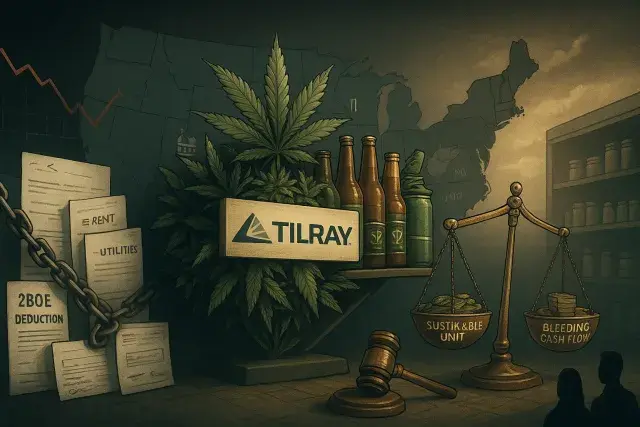
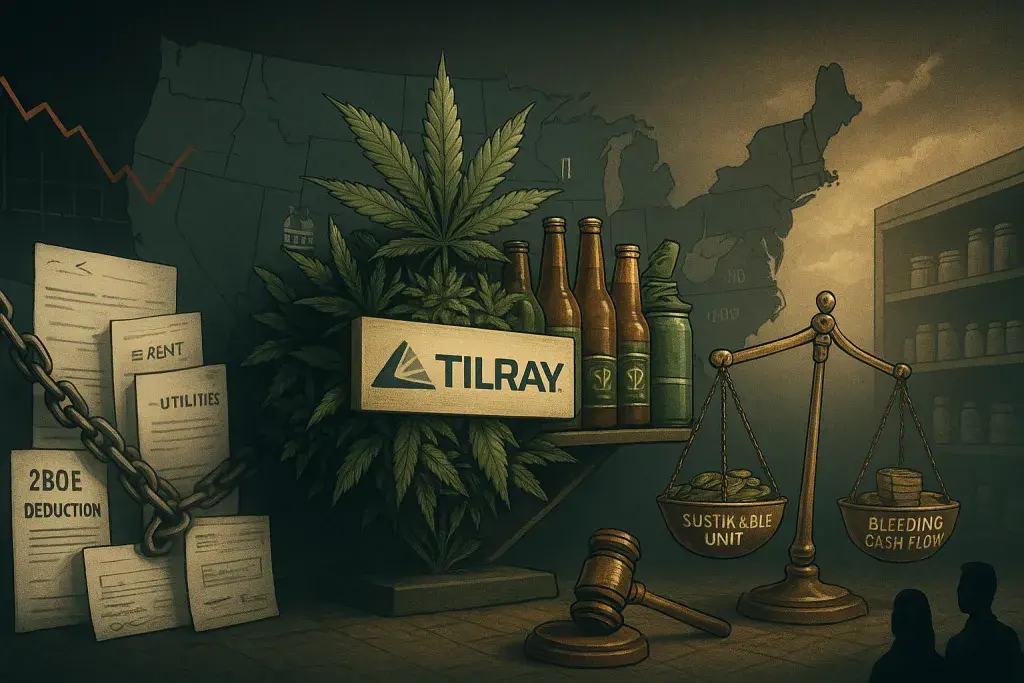
Moving cannabis to Schedule III carries real, concrete benefits for licensed operators selling medical cannabis products. The most immediate is tax relief under 280E - the provision of the federal tax code that currently bars businesses trafficking in Schedule I or Schedule II substances from deducting ordinary business expenses. Dispensaries and cannabis companies that qualify under a Schedule III framework would, in theory, be able to treat payroll, rent, utilities, and operating costs the way any other retailer does. For operators carrying significant overhead across multiple states, that's not a minor accounting adjustment. It's the difference between a sustainable unit-economics model and one that bleeds cash regardless of revenue.
That said, rescheduling does not equal legalization. Cannabis would still be a controlled substance. Interstate commerce in cannabis products would remain prohibited. That restriction alone sustains one of the most punishing structural inefficiencies in the industry: the requirement that licensed operators build and maintain cultivation, processing, and manufacturing infrastructure in every state where they do business. There's no equivalent in alcohol distribution, food retail, or virtually any other consumer-goods category. A craft brewer can produce in one facility and distribute nationally. A cannabis company cannot. The result is a cost structure that bears little resemblance to the margins a mature consumer-packaged-goods business should be generating.
Tilray's Position Looks Stronger on Paper Than in Practice
Tilray has moved more aggressively than most of its peers to diversify away from a pure-play cannabis model. Its acquisitions in the U.S. craft-brewing sector - making it one of the largest craft brewers in the country by volume - represent a genuine attempt to build durable revenue streams that aren't entirely dependent on cannabis regulatory progress. The hemp and CBD business adds another layer. On paper, it's a reasonable hedge.
In practice, though, the company has not been able to translate that diversification into consistent revenue growth or a path to profitability. The craft beer market carries its own headwinds, including intense competition from major brewers, shifting consumer preferences, and the same inflationary cost pressures hitting every food-and-beverage operator. And Tilray's cannabis operations - still central to how the company is valued and perceived - face the same structural problems every multi-state operator faces: high compliance costs, fragmented state-by-state licensing requirements, and the ever-present risk that price compression will erode margins before scale benefits materialize.
The share price decline of more than 90% over five years isn't just a market sentiment story. It reflects a business that has not yet demonstrated it can generate returns commensurate with its operational complexity and capital requirements.
If Full Legalization Comes, Bigger Players Will Arrive
Here's the part that tends to get overlooked in the bull case for established cannabis companies: federal legalization would not simply validate the businesses that survived the regulatory purgatory. It would open the market to everyone. Beverage conglomerates, pharmaceutical distributors, consumer staples companies, and well-capitalized retail chains have been watching the cannabis sector for years. Many have existing distribution infrastructure, brand-building expertise, and legal and compliance teams built to operate in tightly regulated categories - tobacco, alcohol, pharmaceuticals. They know how to work with regulators, manage SKU complexity, handle age-restricted retail, and absorb the cost of compliance at scale.
Canadian cannabis companies discovered this dynamic after recreational legalization there in 2018. The initial period of excitement gave way to margin compression, oversupply, and a brutal shakeout among licensed producers. The companies with genuinely differentiated brands, proprietary genetics, or unique route-to-market advantages fared better than those whose only competitive position was "we survived." Whether Tilray - or any of its peers - has built that kind of defensible advantage remains an open question.
What the Regulatory Trajectory Means for B2B Operators
For dispensary operators, multi-state operators, and the vendors serving them, the rescheduling development matters more as a policy signal than as an immediate operational change. A forthcoming hearing on whether recreational cannabis products should also be rescheduled introduces at least the possibility of a more comprehensive policy shift. But operators who have been through enough regulatory cycles in this industry know better than to plan around policy outcomes that haven't materialized.
What's worth watching more closely is how the 280E question resolves in practice - specifically, which operators qualify for deductions and under what conditions, how state tax structures adjust in response, and whether any changes apply retroactively to prior tax years. Those details will matter more to a dispensary's P&L than a stock price movement in Toronto or New York.
The cannabis business has always rewarded operators who build for the regulatory environment that exists, not the one they're hoping for. That discipline hasn't changed. And the Tilray story, for all its pivots and acquisitions, is still a useful reminder that capital allocation decisions made on speculative regulatory timelines tend to be difficult to recover from.