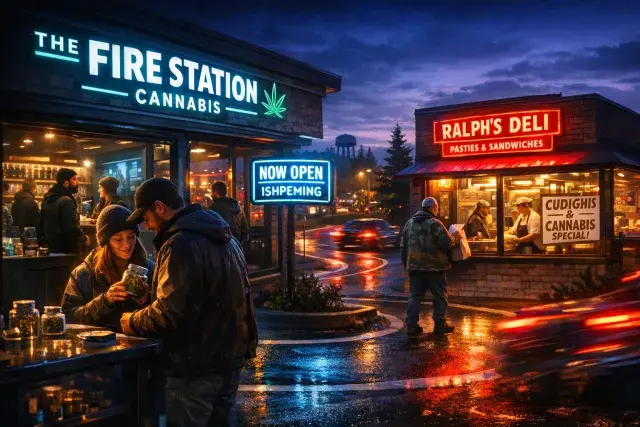
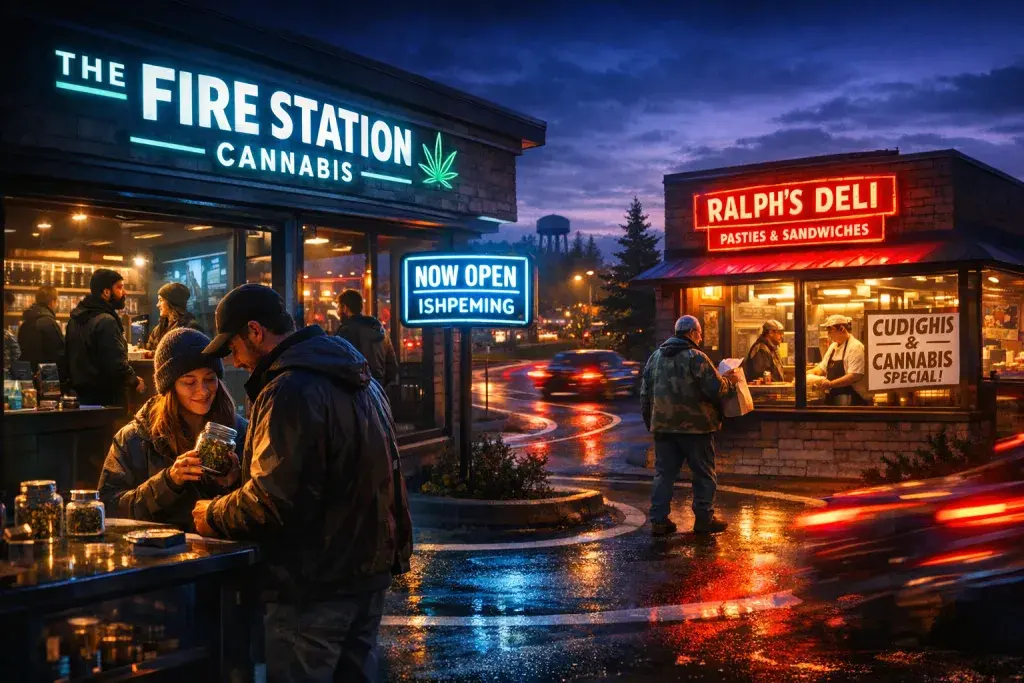
Fire Station Cannabis Dispensary launched its eighth location in Upper Michigan on Monday, claiming one of two available spots permitted within Ishpeming city limits. The new outlet sits near the local roundabout, sharing space with Ralph’s Deli in a setup that staff describe as ideal for complementary businesses. This expansion reflects the steady growth of legal cannabis retail amid Michigan's evolving regulatory landscape.
Strategic Site Selection in a Regulated Market
Ishpeming officials cap dispensaries at two within city boundaries, a restriction that shapes competition in this small Upper Peninsula community. Fire Station moved swiftly to secure its license, drawing experienced staff primarily from its nearby Negaunee store. General Manager Dustin Howard highlighted the synergy with Ralph’s Deli, which plans to open soon. “Cudighis and cannabis” captures the pairing of local pasty-like snacks with recreational products, appealing to regional tastes.
Growth Amid Michigan's Cannabis Legalization
Michigan legalized adult-use cannabis in 2018, following medical provisions established in 2008, which opened the door for licensed retailers like Fire Station. Upper Michigan, with its rural character and tourism draw, has seen dispensaries multiply as communities set their own zoning rules. Fire Station's rapid rollout to eight locations demonstrates how chains navigate these local variations, filling demand without exceeding caps. Shared buildings, as in Ishpeming, cut costs and foster foot traffic between food and cannabis sales.
Launch Promotions and Community Ties
To mark the opening, the store offers 25 percent discounts through Christmas, drawing early customers to its inventory of flower, edibles, and accessories. Howard emphasized staff familiarity from Negaunee, ensuring smooth operations from day one. Proximity to everyday amenities like a deli strengthens the store's role in daily life, mirroring broader trends where cannabis outlets integrate into neighborhood fabric rather than standing apart.
Implications for Local Economies and Access
Expansions like this bolster small-town economies through jobs, taxes, and business clusters, though city limits prevent oversaturation. In areas like Ishpeming, where harsh winters limit options, convenient locations enhance safe, legal access over unregulated alternatives. As more municipalities refine policies, such openings signal maturation of Michigan's $3 billion-plus annual cannabis market, balancing revenue with community controls.