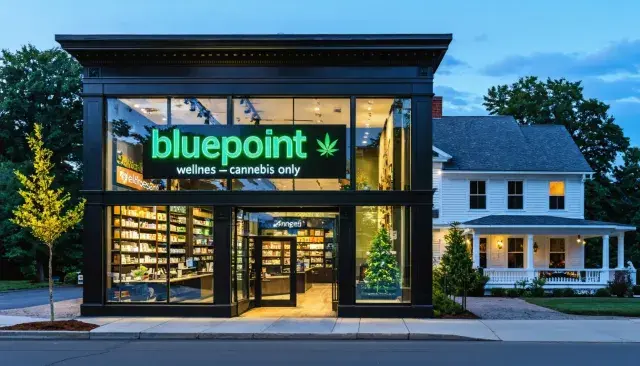
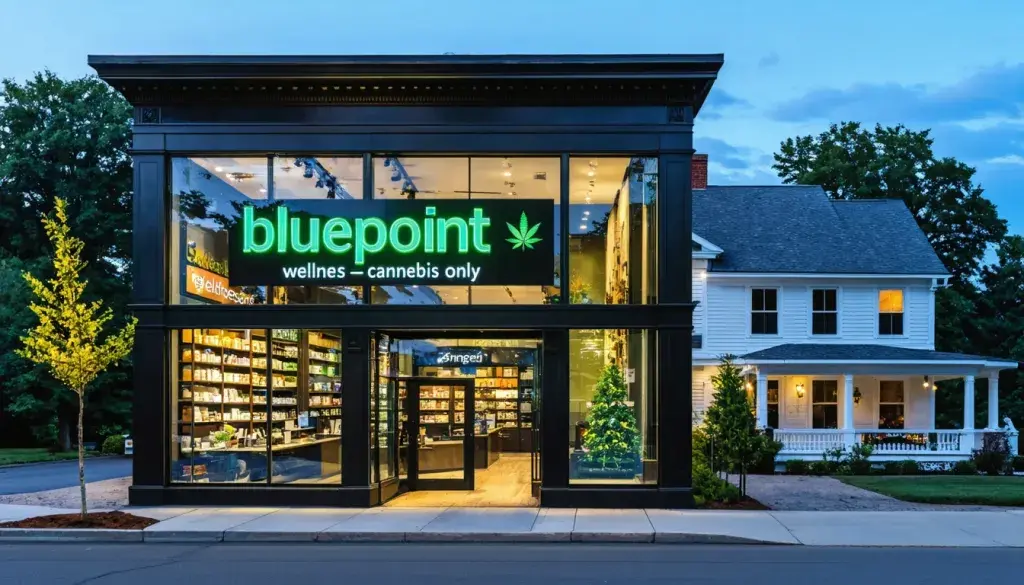
In Westport, Connecticut, Bluepoint Wellness, the state's sole remaining medical-only cannabis dispensary, is relocating within town as it eyes a hybrid medical-recreational model in a new location, potentially ending pure medical-only operations statewide.
Zoning Battles Block Recreational Expansion
Opened in late 2019, Bluepoint has faced repeated denials from Westport’s Planning and Zoning Commission to sell recreational products, rooted in 2021 zoning amendments prohibiting such businesses over traffic concerns. Co-founder Nick Tamborrino highlighted the frustration in 2023, noting daily turnaways of local residents seeking recreational cannabis. This has forced Bluepoint to launch Venu Flower Collective, a recreational store 50 miles away in Middletown, while planning an 18- to 24-month stay in its current Westport spot before shifting to an unidentified town for hybrid sales.
Shrinking Medical Market Pressures Pure Dispensaries
Connecticut's medical cannabis landscape is contracting sharply since recreational sales launched in 2023. Patient numbers dropped from nearly 49,000 to under 32,000, with annual medical sales falling $21 million in 2025 and transactions declining from 2.6 million in 2024 to 2.2 million. Of the state's 61 licensed stores, 29 now operate as hybrids. Experts like Fine Fettle's COO Ben Zachs note it's increasingly unviable to remain medical-only, as recreational options draw patients with better pricing, variety, and quality compared to neighbors like Massachusetts and Rhode Island.
- High medical prices and limited product diversity deter patients.
- Ombudsman Erin Gorman Kirk points to inconsistent quality as a key factor.
- Hybrids dominate, blending accessibility for both markets.
Implications for Patient Access and Policy
This relocation signals a broader trend toward market consolidation, where medical patients—often seeking relief for chronic conditions—may face reduced specialized options. While hybrids promise convenience, they risk prioritizing recreational volume over tailored medical care, potentially straining access in underserved areas. Policymakers must weigh zoning flexibility against community concerns, ensuring equitable cannabis access amid evolving public health needs and a recreational boom reshaping the industry.