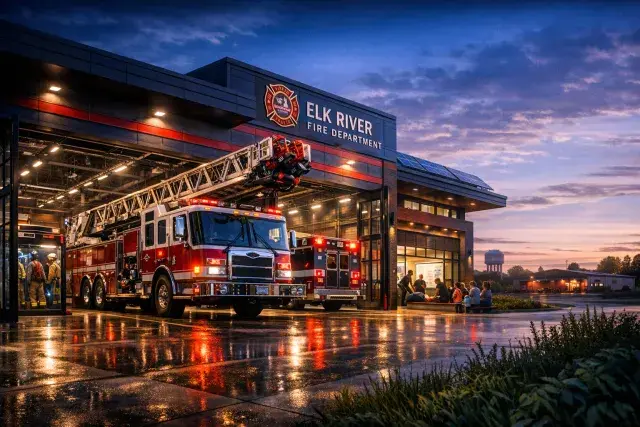
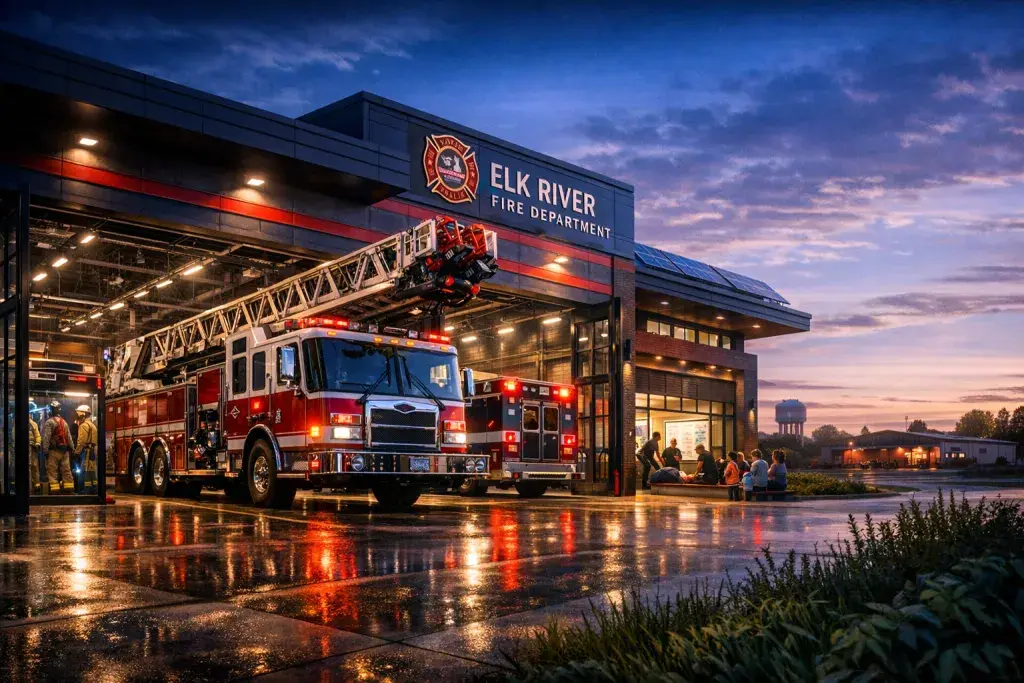
In Elk River, Minnesota, city officials have detailed plans for a cutting-edge fire station designed to meet the demands of contemporary emergency response. This initiative addresses the limitations of an aging facility, promising improved readiness and public safety in a growing community.
Key Features Tailored for Today's Firefighting Needs
The proposed fire station prioritizes functionality with features that align with evolving fire service standards. Renderings submitted by CNH Architects highlight a forward-thinking design that supports both operational efficiency and community engagement.
- Sufficient space for equipment storage, accommodating larger modern apparatus like extended ladder trucks and heavy rescue vehicles.
- Large classrooms dedicated to firefighter training and public education programs, fostering skills in fire prevention and emergency preparedness.
- “Appropriately sized” decontamination areas to handle hazardous materials incidents safely, reducing cross-contamination risks for responders and civilians.
- Drive-through apparatus bays enabling rapid deployment, critical for minimizing response times in urban and suburban settings.
These elements reflect best practices in fire station architecture, where space optimization can shave seconds off response times—potentially saving lives during critical incidents.
Overcoming Challenges of an Aging Infrastructure
Elk River's current fire station, burdened by decades of wear, struggles with cramped bays and outdated layouts ill-suited for today's oversized equipment. As fire trucks have grown 20-30% larger over the past two decades to handle high-rise structures and complex rescues, many older stations face operational bottlenecks. This project responds to those pressures, drawing from national trends where communities invest in facilities that support apparatus up to 40 feet long.
Local growth exacerbates these issues: Elk River's population has surged, increasing call volumes for medical emergencies, structure fires, and hazmat events. Modern decontamination zones, for instance, are essential amid rising industrial incidents, protecting against chemicals like those in EV battery fires or fentanyl exposures.
Broader Implications for Public Safety and Community Resilience
Beyond immediate upgrades, the new station positions Elk River as a model for mid-sized cities adapting to safety trends. Public education classrooms could host CPR workshops and fire safety drills, aligning with CDC data showing that community training reduces fire-related deaths by up to 25%. Drive-through bays promise faster turnouts, echoing studies from the National Fire Protection Association that link quick response to lower property damage.
Financially, such investments yield long-term savings by extending equipment life and reducing injury rates among firefighters, who face a 2.5 times higher occupational fatality risk than average workers. As climate-driven wildfires and urban sprawl intensify nationwide, Elk River's proactive stance underscores the need for resilient infrastructure to safeguard lives and property.