The Drug Enforcement Administration has structured its upcoming cannabis rescheduling hearing so that only prohibitionists get a seat at the table. Every organization, state official, and individual invited to participate in the June 29 proceedings has gone on record opposing marijuana reform - and every party that supports rescheduling, from trade associations to patient advocacy groups, has been turned away. For licensed cannabis businesses already operating under the weight of Schedule I restrictions, including the federal tax penalty embedded in IRS code 280E, the procedural tilt carries real consequences.
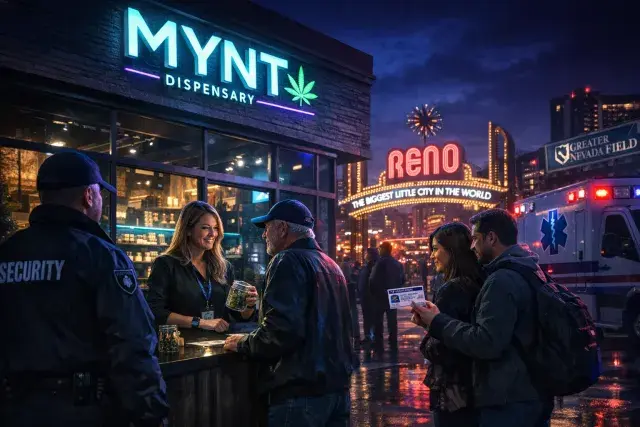
DEA began issuing acceptance and rejection letters Thursday, notifying parties who had filed requests to participate whether they qualified as "interested persons" under the agency's legal standard. Reform supporters - including the Drug Policy Alliance and the American Trade Association for Cannabis & Hemp - were told they failed to demonstrate they are "adversely affected or aggrieved" by a rule that would benefit them. The logic, as DEA Administrator Terrance Cole spelled it out in a letter to DPA, is that a party cannot claim injury from a proposed rule it supports. That framing may be technically coherent under administrative law, but it produces a hearing record built entirely from one side of the argument. For cannabis operators tracking compliance obligations across state lines - from medical-only markets like those served by pos cannabis nevada platforms to adult-use retailers managing complex inventory and tax reporting - federal regulatory outcomes are anything but abstract.
The invited participants are a recognizable roster of organized cannabis opposition: Smart Approaches to Marijuana (SAM), the National Drug & Alcohol Screening Association, the Tennessee Bureau of Investigation, the states of Nebraska, Idaho, Indiana, and Louisiana, DUID Victim Voices, and two medical professionals who have testified against rescheduling. SAM President Kevin Sabet wasted no time framing the opportunity as a chance to defeat what he called "the greatest drug policy mistake in a generation." The DEA's administrative law judge will oversee proceedings that run through no later than July 15.
What the Procedural Setup Actually Means for the Industry
Here's the catch: because no reform supporters are participating, the DEA itself will be the sole party defending its own proposed rule. ATACH President Michael Bronstein put it plainly - the rescheduling hearing will now consist entirely of parties opposed to the Trump administration's own stated policy position on cannabis, with the agency left to argue for its rulemaking against a unified wall of opposition. That is an unusual posture for any federal rulemaking, and it introduces real uncertainty about how the administrative record will shape eventual judicial review.
A prior rescheduling hearing initiated under the Biden administration collapsed last year after litigation over alleged procedural irregularities, including disputes over witness selection and communications between parties. The current process is already facing consolidated lawsuits from state attorneys general, legalization opponents, and at least one cannabis-sector biopharmaceutical company. A congressional committee recently voted to block federal officials from advancing rescheduling further. The procedural terrain is, to put it mildly, contested.
The Business Stakes Behind the Procedural Dispute
For licensed cannabis operators, the stakes of this hearing extend well beyond regulatory symbolism. Acting Attorney General Todd Blanche signed an order in April that immediately reclassified state-licensed medical cannabis - and FDA-approved marijuana products - from Schedule I to Schedule III. That shift is already producing tangible changes across several federal agencies.
The IRS and Treasury have signaled that new 280E tax guidance is forthcoming. That single provision has cost licensed cannabis businesses billions in disallowed deductions over the years; Schedule III status removes the 280E burden for qualifying operators, which would materially alter the unit economics of dispensary operations and wholesale distribution alike. The Bureau of Alcohol, Tobacco, Firearms and Explosives has posted a draft revision to its gun purchase form that no longer lists medical cannabis alongside recreational use as a federal disqualifier. DEA itself has opened a federal registration process for state-legal cannabis businesses to access benefits tied to the rescheduling order.
Not every agency is moving in the same direction. The Department of Transportation has made clear that medical cannabis use remains an unacceptable explanation for a positive drug test among safety-sensitive workers - truck drivers, pilots, and others in federally regulated transportation roles. Compliance officers at cannabis companies with delivery fleets or logistics partners need to hold that guidance alongside the broader regulatory shift. Rescheduling does not resolve every compliance tension in the supply chain.
A Lopsided Record and Its Downstream Risk
What's striking here is the gap between the public's stated position and the hearing's composition. More than 70 percent of public comments submitted on the proposed rescheduling rule supported moving cannabis off Schedule I, according to DPA's Cat Packer - yet every party invited to the formal administrative hearing opposes the reform. The people who submitted those comments have no formal voice in the proceedings.
That matters for reasons beyond fairness. Administrative law gives significant weight to the hearing record when courts review agency rulemaking. A record built exclusively from opposing testimony - without counterbalancing expert witnesses, industry data, or patient advocacy - could provide litigation opponents with additional ammunition to challenge the rule's evidentiary basis. Cannabis operators, investors, and multistate operators who have been pricing in a post-280E future should not treat June 29 as a formality. The outcome of this hearing, and the consolidated lawsuits surrounding it, will determine how durable the current rescheduling order proves to be.
The industry has seen regulatory progress stall before. This time, the procedural stakes are higher - and the hearing room will be missing the voices most affected by the outcome.